Your Child’s First Dental Visit at Broad Smiles: What to Expect and How to Prepare
When should my child first see the dentist?
The American Academy of Pediatric Dentistry recommends that children visit the dentist by their first birthday or within six months of their first tooth erupting. Early visits allow the dental team to monitor growth and development, catch concerns early, and help parents establish strong preventive habits from the start.
At Broad Smiles Pediatric Dentistry & Orthodontics, early pediatric checkups are designed to set the foundation for a lifetime of healthy smiles.
What happens at the first appointment?
Your child’s first dental visit is typically gentle, educational, and reassuring. During pediatric checkups, the team will:
-
Examine your child’s teeth, gums, and jaw development
-
Check for early signs of cavities or concerns
-
Gently clean the teeth, if appropriate
-
Discuss thumb-sucking, pacifier use, and nutrition
-
Answer any questions you may have about brushing, flossing, or fluoride
The goal is not just to examine teeth, but to build comfort and trust.
A kid-friendly approach to pediatric dentistry
Broad Smiles specializes in pediatric dentistry, which means every aspect of care is tailored to children’s unique needs. From smaller dental instruments to a compassionate, upbeat team, the environment is designed to help kids feel safe and confident.
Because the practice also offers orthodontic services, the team can monitor your child’s bite and jaw development early on. This proactive approach helps identify potential orthodontic concerns before they become more complex.
How parents can prepare for the visit
You can help make your child’s first dental visit a success by:
-
Talking about the dentist in a positive, simple way
-
Reading children’s books about dental visits
-
Scheduling the appointment at a time when your child is well-rested
-
Bringing a favorite comfort item
Avoid using words that may sound scary, like “hurt” or “shot.” Instead, focus on how the dentist helps keep teeth strong and healthy.
Why early visits matter
Early pediatric dental visits help prevent cavities, support healthy development, and reduce dental anxiety over time. When children start visiting the dentist young, appointments feel routine rather than intimidating.
At Broad Smiles Pediatric Dentistry & Orthodontics, the focus is on prevention, education, and making every child feel proud of their smile. The first visit is just the beginning of a partnership in your child’s long-term oral health.
Is it time for your child’s first checkup?
If your child hasn’t had their first dental visit yet, now is the perfect time to start. Schedule a pediatric checkup at Broad Smiles Pediatric Dentistry & Orthodontics in Lynn, Lynnfield, or Salem, MA, and give your child a healthy, confident start.
Pediatric Dental Care: Starting Your Child Off on the Right Tooth
The quality of dental care a child receives while growing up can have a huge impact on their teeth — and even their general health — for the rest of their life. Dental care sets the stage for the way teeth develop as they grow, and it’s important to begin with a good foundation. To reinforce healthy brushing habits with children and make sure their teeth are coming in nicely, we recommend visiting the dentist early, with a first visit at about twelve months of age, which is usually less than six months after their first tooth shows up.
Here are a few specific reasons to take your children to the dentist early in their lives:
Baby Teeth are Important
Your child’s baby teeth aren’t disposable just because they’re temporary. They play an important role in your child’s development. Making sure their baby teeth are in order will have a positive effect long after they lose them. Baby teeth act as placeholders for adult teeth; they help your child’s jaw and gums develop in the right way. Not only that, healthy baby teeth help children learn to speak by supporting the shape of the mouth correctly. And a dazzling smile is good for their self-esteem.
Experience Calms Anxiety
Many grownups feel anxious about going to the dentist. However, if you bring your children in for a visit at about the age of twelve months, they’ll be too young to think anything bad is going on and they won’t likely be very worried. One of the best ways to help children avoid the development of dental anxiety is to begin building a habit of regular dental visits early in life. Parents who wait until children are two years of age or older likely will have a much rougher time with visits at early ages, and the children could develop lifelong anxiety about going to the dentist.
Tooth Decay Comes Early
Tooth decay can set in as soon as your child develops their first tooth. A CDC report showed that as many as 40% of children will develop some form of tooth decay before they reach kindergarten. And that decay can have a long-term effect on the health of their teeth and gums.
Nip Problems in the Bud
After children have stopped growing, it can be difficult to get crooked teeth back in order. The process is likely to be more difficult, longer and more uncomfortable for the patient than if the problems are taken care of early in life. That’s why there’s no better time to fix misaligned or crooked teeth than when your child is still growing. As soon as their teeth show signs of these problems, we can begin early to guide their teeth into the correct position.
Giving your child’s teeth the care they deserve sets them up for dental success in the future by introducing good dental hygiene habits and preventing problems from getting worse as their teeth age. If you have any questions about how to give your child the best dental care possible or would like to set up an appointment, give us a call at 712-276-8391. Begin proper dental care as soon as your child’s first tooth shows up and you’ll put them on the road to a healthy, beautiful smile all their lives.
Best Practices for Kids’ Healthy Teeth
Once kids get their first tooth, parents start to wonder how they can help their child establish good dental habits. As a parent, you want to help your children develop good dental hygiene, since poor dental health is all too common and can lead to complications in adulthood such as more serious diseases like heart disease, type 2 diabetes and cancer. Below are simple tips for helping your children develop and maintain healthy teeth.
Lead By Example
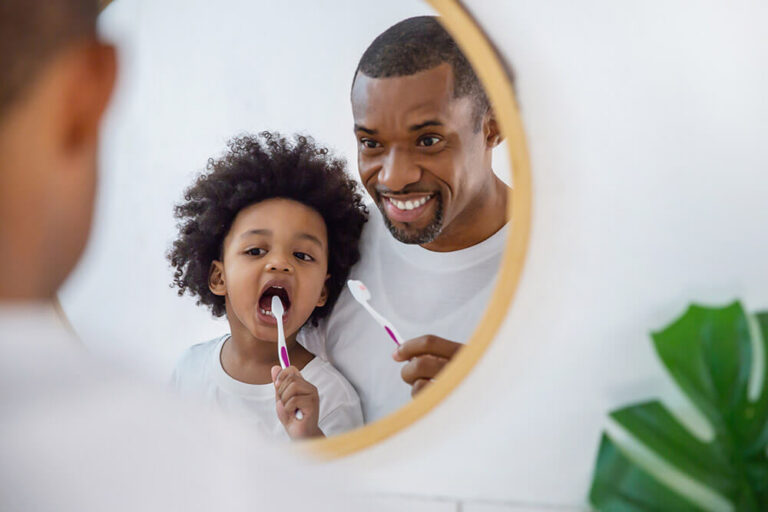
Kids love to imitate those around them, so being a good role model is one of the best ways to show children how important dental health is. Demonstrate good oral health habits with them, brush and floss with your kids, rather than sending them into the bathroom on their own. Instead of treating it as a chore, make it part of the daily routine.
Keep Dental Appointments
Keep a regular routine of going to the dentist for regular checkups. Your child should have their first dental appointment within 6 months of their first tooth or their first birthday, whichever comes first, and then twice a year after that.
Eat Healthy Foods
Avoid sugary drinks and food. This can help with not only your child’s overall health, but it can also create a conversation about cavities. When sugar is allowed to sit on your teeth, it can create decay, and we all want healthy, strong teeth to enjoy the things we love.
Brush and Floss
Brushing twice a day for at least 2 minutes is one of the best way to keep your mouth clean and healthy, yet it’s not always achieved. Set a timer and use a tartar dye if desired to be sure all the teeth surfaces are cleaned and that brushing has happened long enough to be effective at removing plaque. There are also apps available to make brushing and caring for your teeth fun.
These are some great ways to help keep your child’s mouth clean and healthy. Give one of our two offices a call today to schedule an appointment with us. We’re always happy to answer any questions you may have!
How to Teach Your Child the Value of Oral Hygiene
As a parent, it’s a very daunting task to teach your child the value of oral hygiene. It is especially difficult when they are in the preschool years and more likely to be distracted and uninterested in what you have to say. The key, according to dental instructor Elizabeth J. Hodges, who often lectures on this topic, is to make teaching fun for both parent and child.
This blog will discuss some ideas on how to keep your child interested in their oral health.
Why It Matters
Keeping good oral hygiene is so important as a child. As a parent, you probably know this, but how do you convince your child that it is important. When you maintain a clean mouth, you will have lesser chances of dental diseases and tooth loss. Good dental hygiene also plays a huge role for aesthetic reasons as it keeps your teeth looking polished and white and also reduces the chance of experiencing bad breath.
Habits to Teach
Regular Dental Checkups
It’s important to take your child to the dentist for regular checkups (at least every six months). This will help them get into the habit of seeing a dentist on a regular basis, which will help them even as they grow into adults.
Eating Healthy Foods
Eating healthy at a young age is so important for children. This will help them get into the habit of eating fruits and vegetables and actually enjoy them. Eating healthy is great for oral health and will keep their teeth stay in good condition
Brushing Twice a Day
Showing your child that it is important to brush their teeth twice a day is a great practice. You can even start this before your child actually starts teething. You can start by wiping their gums with a soft foam, and once they start to grow teeth, you can upgrade to a baby toothbrush. This will help your child to grow up with the familiarity of having their teeth brushed.
Flossing
Teaching your child at a young age that not only brushing, but also flossing your teeth is another great way to keep their mouth healthy. If this is difficult for you as a parent, you can have your dentist help show them at their regular checkup!
Lead By Example
Your child learns the most from you as their parent. Showing them how important oral hygiene is and practicing good oral hygiene is one of the best ways for them to learn. When you put both your child’s and your own dental hygiene as a top priority, your child will grow up understanding the importance of taking care of your teeth.
It is imperative to teach your child how to take care of their teeth at a young age. We’re always happy to answer any questions or address any concerns you may have. Call either of our two locations today and we can schedule an appointment.